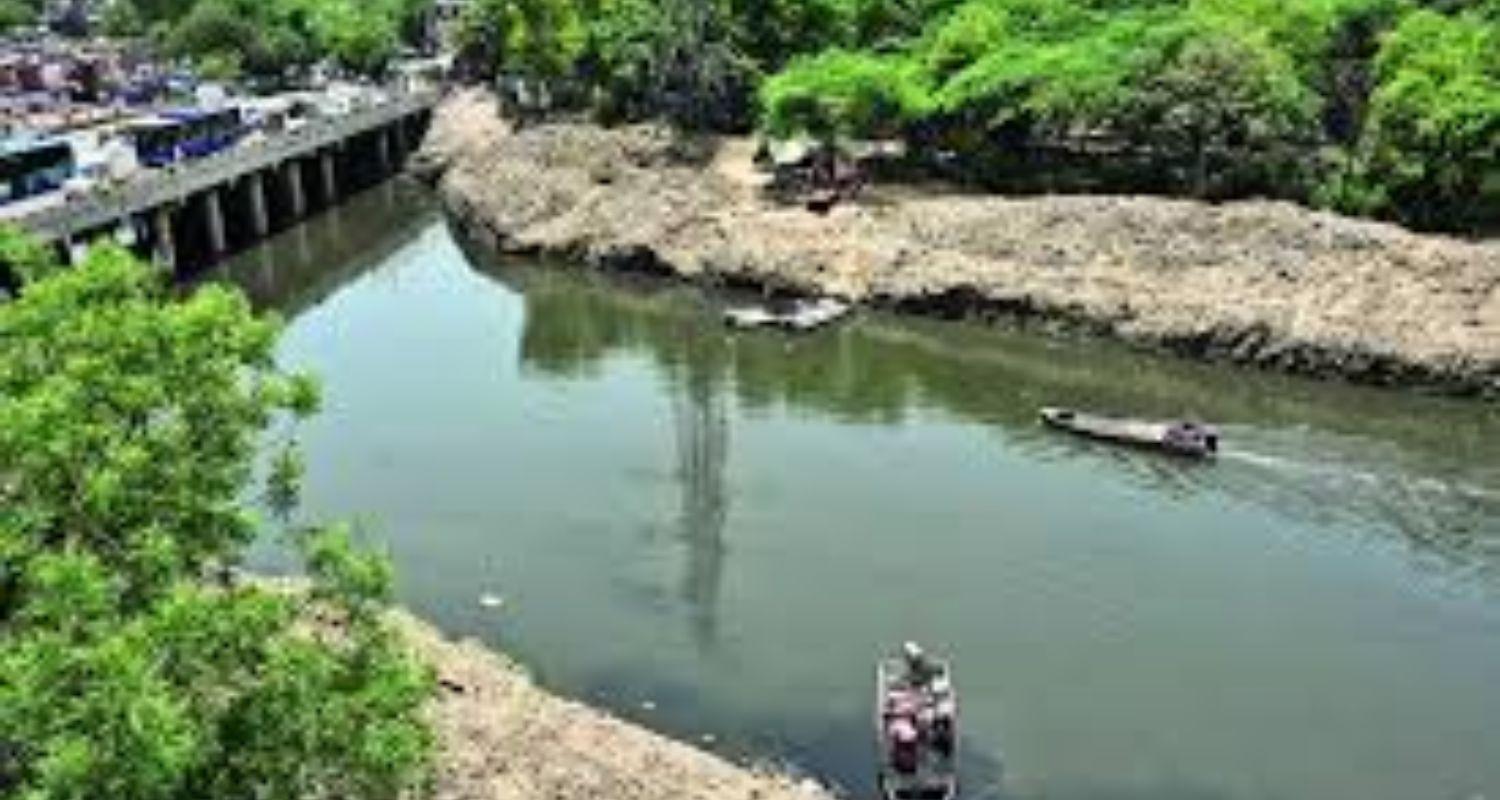
The Delhi government is preparing to roll out a pilot project for in-situ cleaning of major drains across the city using advanced technology, as part of its broader push to rejuvenate the Yamuna, Water Minister Parvesh Sahib Singh said on Friday.
The Delhi Jal Board (DJB) had earlier introduced a 45-point action plan aimed at improving the river’s condition, with in-situ treatment of drain water identified as a key strategy. “While long-term solutions like constructing sewage treatment plants (STPs) are underway, we plan to begin this initiative on five major drains in the interim,” Singh said, adding that efforts are on-going to strengthen water supply and sewerage systems and enhance the overall quality of Yamuna water.
Also read: EV policy: Delhi govt to plan battery management system
As part of the pilot phase, the DJB will collaborate with IIT-Roorkee to implement in-situ cleaning at the Defence Colony drain. The project will use nanotechnology-based methods to treat and filter wastewater directly within the drains. “If successful, this approach could be expanded to larger drains such as the Najafgarh drain,” the minister noted.
Delhi has 22 major drains that discharge into the Yamuna, including the Najafgarh drain—the largest—along with the Shahdara and Supplementary drains. Officials said that in areas where constructing large STPs is not feasible due to space constraints, the government plans to install around 40 decentralised sewage treatment plants (DSTPs) to enable localised waste treatment.
So far, approval has been granted for 35 DSTPs, and there are additional plans to build 10 more STPs to further reduce untreated sewage flowing into the river.
The Yamuna runs for about 52 km through Delhi, but a 22-km stretch between Wazirabad and Okhla remains heavily polluted and continues to be the primary focus of clean-up efforts.

 Follow us