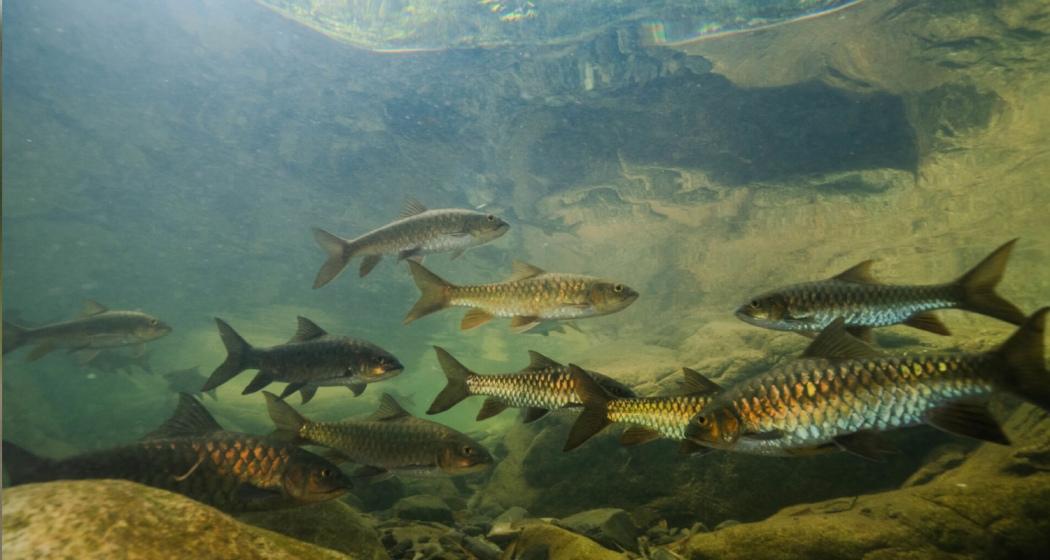
The National Green Tribunal (NGT) has directed the Delhi government, Uttar Pradesh, Haryana, Uttarakhand and Himachal Pradesh, along with the Delhi Jal Board, National Mission for Clean Ganga (NMCG) and Central Pollution Control Board (CPCB), to implement recommendations from the Central Inland Fisheries Research Institute (CIFRI) for the preservation of native fish species in the Yamuna river.
The tribunal, hearing a suo motu case following a newspaper report on declining fish populations, highlighted that native Indian species such as Catla, Rohu, Mahasheer and Gonch have declined, while eight exotic species including Common Carp, Thai Mangur and Tilapia have increased, disrupting the river’s ecology.
In its January 29 order, a bench headed by Chairperson Justice Prakash Shrivastava and expert member A Senthil Vel said, “It is noticed that though different agencies have taken steps for preservation of the native fishes in the river Yamuna, but in spite of these programmes, the population of native fishes has shown a declining trend. Hence, there is a need to re-evaluate and ensure that the programmes… are effectively implemented at the ground level.”
Also read: Delhi govt sanctions ₹728 crore for Trans-Yamuna development
The NGT directed authorities to enforce restrictions on illegal fishing gear, monitor fish during ban periods, implement strategic ranching, maintain fish catch records, and prohibit the release of exotic species for rituals. Continuous water flow, management of industrial and organic effluents, and installation of sewage treatment plants in urban local bodies along the river were emphasised.
It also instructed the Union Ministry of Environment, Forest and Climate Change (MoEF&CC), Central Water Commission, fisheries departments and National Fisheries Development Board to regulate sand mining, facilitate fish migration at barrages, establish hatcheries for Mahasheer and Indian carps, and declare biodiversity-rich stretches as fish conservation zones.
“The ICAR-CIFRI, National Bureau of Fish Genetic Resources and state fisheries department are directed to release fingerlings of native species into identified river stretches, especially during the post-monsoon season,” the tribunal added.
The NGT stressed that strict penal action must be taken against those introducing exotic fish into the river and called for revamped research on ecological interactions between native and invasive species to guide conservation efforts.

 Follow us