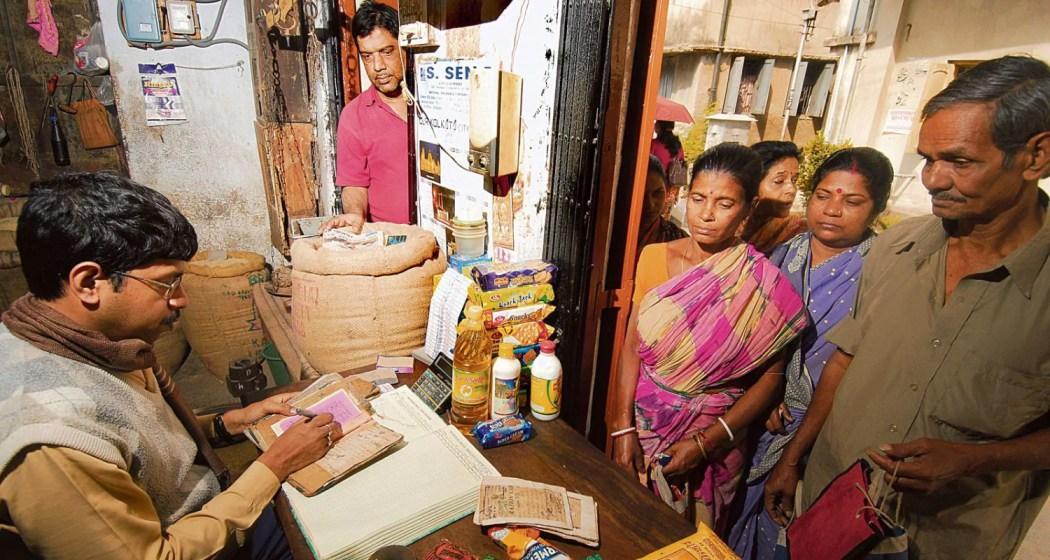
The Assam government has suspended distribution of subsidised pulses, sugar and salt under the Public Distribution System (PDS) for two months from June, as the state continues to operate under a vote-on-account budget following the recent Assembly elections, the Food, Public Distribution and Consumer Affairs Department said on Monday.
The suspension will remain in force until the new government presents and secures passage of a full budget for 2026–27 in July, after which the scheme is scheduled to resume from August, the department added in a newspaper advertisement.
However, the distribution of free rice under welfare schemes will continue uninterrupted during this period, ensuring that beneficiaries under the National Food Security Act (NFSA) and Pradhan Mantri Garib Kalyan Anna Yojana are not affected in their staple grain supply.
“The new government will present a full budget in July, and after its passage, the scheme will restart from August,” the department said in its public notice.
Also read: Assam Cabinet expansion set for June 5: Himanta
The government has also made a provision for clearing existing stock with fair price shops. If some outlets are left with unsold Masoor dal, sugar and salt after May’s distribution cycle, those quantities will be handed over to eligible poor families in June.
The interim financial arrangement stems from the vote-on-account approved in February ahead of the elections. Then Finance Minister Ajanta Neog, Finance Minister of Assam, had sought a vote-on-account of ₹62,294.78 crore to allow continued expenditure on essential services until the full budget is presented.
She had said securing the basic right to food, the government covered 70.71 lakh families and provided free rice to over 2.49 crore citizens under the NFSA and PM Garib Kalyan Anna Yojana.
The temporary suspension of subsidised commodities such as pulses, sugar and salt is expected to affect routine monthly ration baskets, though officials maintained that essential foodgrain support will remain intact throughout the transition period.
The move comes at a time when the state is preparing for the rollout of its full financial plan, which is expected to reconfigure subsidy allocations and welfare distribution mechanisms for the coming fiscal year.

 Follow us