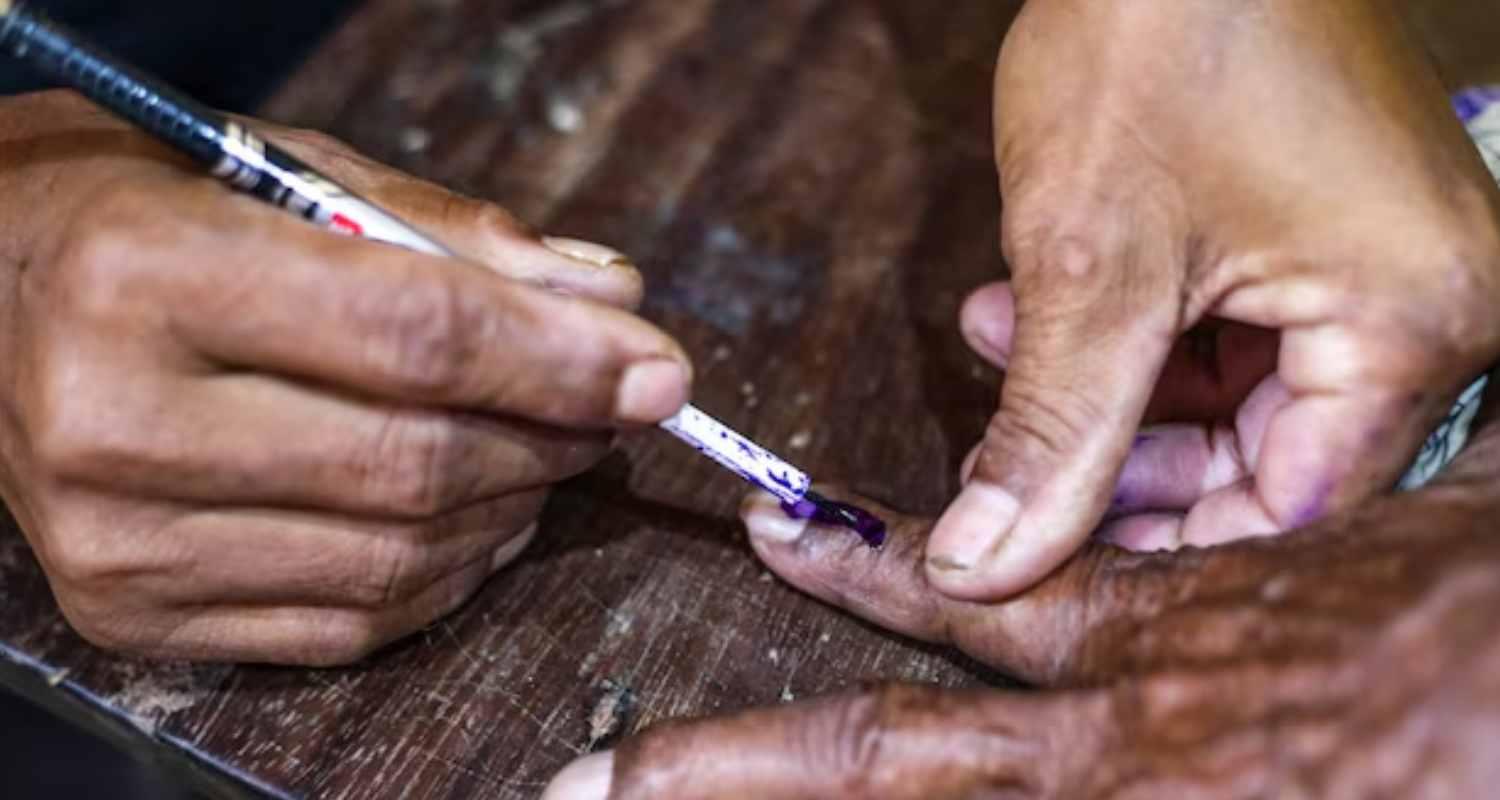
Controversy has intensified following the conclusion of the second phase of polling in the West Bengal Assembly Election 2026, with demands for re-polling emerging from multiple constituencies in South 24 Parganas.
According to sources in the office of the State Chief Electoral Officer, applications seeking re-polling have been submitted for a total of 77 booths across four Assembly constituencies—32 in Falta, 29 in Diamond Harbour, 13 in Magrahat East, and 3 in Budge Budge. Notably, three of these constituencies—Falta, Diamond Harbour, and Budge Budge—fall within the Diamond Harbour Lok Sabha constituency, represented by Abhishek Banerjee of the Trinamool Congress (TMC).
Sources indicate that most of the re-polling requests have been filed by the principal opposition party, the BJP. The Falta constituency has emerged as the focal point of the controversy, following allegations that Electronic Voting Machines (EVMs) at booths numbered 170 and 189 were tampered with using adhesive tape.
The situation in Falta had reportedly been tense even prior to polling day. The ruling party accused Police Observer Ajay Pal Sharma of visiting the residence of TMC Jahangir Khan and issuing threats. In contrast, opposition leaders have alleged that voters were obstructed and incidents of “booth capturing” took place at several locations, prompting calls for fresh polling.
In comparison, the first phase of voting on April 23—covering 152 constituencies and over 44,000 booths—passed without any demand for re-polling. However, the second phase on Wednesday, which covered 142 constituencies and over 41,000 booths, has been followed by widespread complaints from this region.
With vote counting scheduled for May 4, attention now turns to the Election Commission’s response. Political observers note that any decision to conduct re-polling in these booths could have a decisive impact on the final outcome in closely contested seats.
As the state awaits further action, the developments have once again raised questions over electoral transparency and security arrangements during the crucial second phase of polling.

 Follow us