
Trending:
What Is a Skinny Fat Body Type? Signs and Ways to Lose Fat
What is a skinny fat body type? Explore its common signs, health risks and expert-recommended ways to reduce body fat, build lean muscle and improve overall fitness. Follow us
News Arena Network - New Delhi - UPDATED: November 11, 2026, 12:17 PM - 2 min read
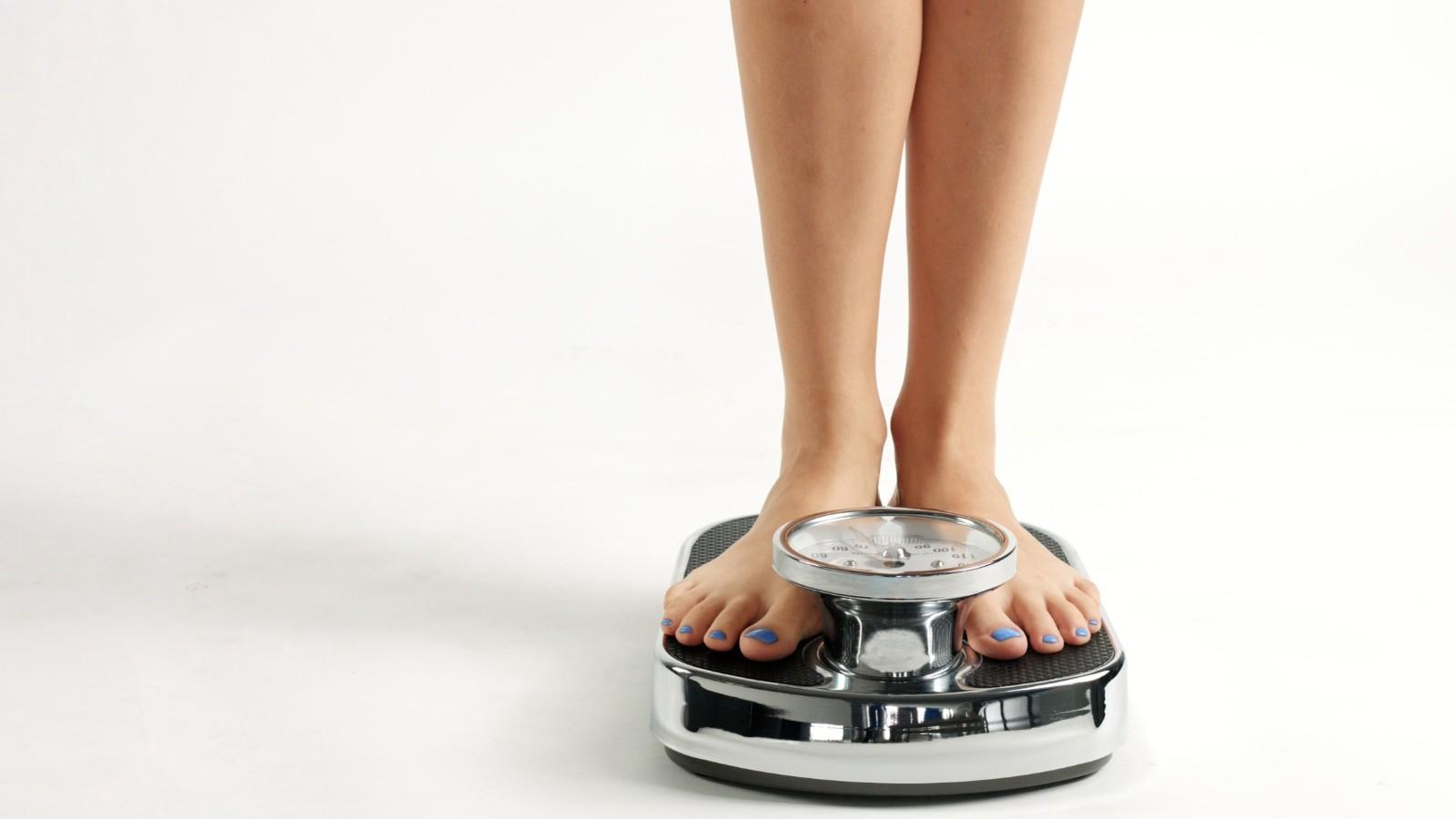
What Is a Skinny Fat Body Type?
A person may have a normal body mass index (BMI), wear medium-sized clothes and still carry excess abdominal fat, have low muscle tone or feel tired easily. This condition is commonly described as being “skinny fat”, even though the individual may appear lean.
The term is also referred to as “thin-fat” or “metabolically unhealthy non-obese”. A survey released in March 2025 by the Indian Institute of Public Health (IIPH) found that 28% of Indians with a normal BMI—roughly one in four—also had excess body fat.
What does skinny fat mean?

Clinical Dietician and Consultant Nutritionist Kanikka Malhotra explained that the term describes people who appear slim or have a normal BMI but possess comparatively low muscle mass and a higher percentage of body fat. Their body composition, she said, may be less healthy than their appearance suggests.
Dr Rakesh Durkhure, Head, General, MI and Bariatric Surgery (Unit IV), Artemis Hospitals, said the condition generally occurs when normal body weight is accompanied by inadequate muscle mass. Poor eating habits, insufficient physical activity—particularly a lack of strength training—and prolonged sitting are common contributors.
Kushal Pal Singh, Fitness and Performance Expert at Anytime Fitness, a 24-hour health and fitness club, said people with this body type often accumulate fat around the abdomen while having limited muscle definition. This can give the body a soft or flabby appearance despite a relatively lean frame.
Signs that may indicate a skinny fat body type
Identifying the condition can be difficult because body weight and BMI may fall within the normal range. Experts point to the following possible indicators:
- Normal BMI with little or no visible muscle definition. For adults, a normal BMI is between 18.5 and 24.9 kg/m².
- A soft or flabby body, particularly around the abdomen, hips or thighs.
- Little strength training or inadequate protein intake.
- Fatigue that develops quickly during workouts.
- A comparatively high waist circumference despite low body weight.
Singh recommended a bioelectrical impedance analysis (BIA) or a DEXA scan, also known as dual-energy X-ray absorptiometry, to measure body fat percentage and muscle mass more accurately. Waist circumference and waist-hip ratio (WHR) can also provide an indication of abdominal fat.
Why can skinny fat affect health?
A slim appearance does not necessarily indicate good metabolic health. Malhotra said that excess body fat combined with insufficient muscle may raise the risk of several health conditions.
- Type 2 diabetes and insulin resistance
- Heart disease and high cholesterol
- High blood pressure
- Fatty liver disease
Visceral fat—the fat stored around internal organs—is a particular concern. It may not be clearly visible from the outside but can contribute to inflammation and metabolic disturbances.
How to reduce fat and build muscle
For people with a skinny fat body type, the focus should not be limited to lowering the number on the weighing scale. The broader goal is to improve body composition by reducing fat while increasing lean muscle.
Make strength training the priority

Dr Durkhure advised strength training three to five times a week. Suggested resistance exercises include squats, deadlifts, push-ups and weightlifting.
Malhotra recommended lifting weights three to four times a week and working all the major muscle groups, including the legs, back, chest, arms and core. Progressive overload—gradually increasing the weight or resistance—can help support muscle development.
Building muscle does not lead to an immediately bulky appearance. Malhotra noted that muscle development takes time to become visible and can ultimately help the body look leaner.
Use cardio in moderation
Cardio can remain part of a fitness routine, but excessive endurance exercise may contribute to muscle loss. Singh suggested two to three cardio sessions a week, with moderate-intensity activities such as brisk walking, swimming or cycling.
One or two short HIIT sessions may also be included each week. Long-duration endurance cardio should be avoided if it begins to affect muscle mass.
Follow a protein-rich, balanced diet
Nutrition plays a central role in changing body composition. Experts recommend consuming between 1.2 and 2 grams of protein per kilogram of body weight, depending on the intensity of training.
Useful food choices include:
- Lean protein such as chicken, fish, tofu, eggs and Greek yoghurt
- Fruits, vegetables and whole grains
- Healthy fats from nuts, seeds, avocado and olive oil
- Legumes and beans for fibre and protein
Sugary drinks, deep-fried foods, packaged snacks and refined carbohydrates such as white bread and sugary cereals should be limited.
Singh advised starting with a calorie-controlled diet that creates a moderate deficit, while cautioning against overly restrictive eating, which can result in muscle loss.
Measure progress beyond body weight
Body weight alone may not accurately reflect progress for someone trying to improve body composition. Malhotra suggested tracking waist, hip and arm measurements, taking monthly progress photographs and undergoing periodic body composition tests.
Changes such as lifting heavier weights, having more energy and experiencing a better clothing fit can also indicate progress, even when the scale shows little change.
Support results with daily habits
Muscle recovery and fat loss are influenced by lifestyle habits outside the gym. Experts recommend getting seven to nine hours of sleep each night, maintaining hydration and managing stress.
Yoga, walking and journaling may help with stress management. Prolonged stress can increase cortisol, a hormone associated with greater fat storage.
A combination of resistance training, appropriate nutrition, adequate recovery and patience can help people with a skinny fat body type become leaner, stronger and healthier.
