Reducing belly fat can support better overall health and may help people live longer. A larger waistline is associated with an increased risk of heart disease, diabetes and some cancers. Losing weight, particularly abdominal fat, may also improve blood vessel function and sleep quality.
It is not possible to reduce fat from only one specific area through dieting. However, overall weight loss can help reduce waist size and, more importantly, lower visceral fat—the hidden fat stored inside the abdominal cavity that is linked to several health risks.
1. Consider reducing carbohydrates instead of fat
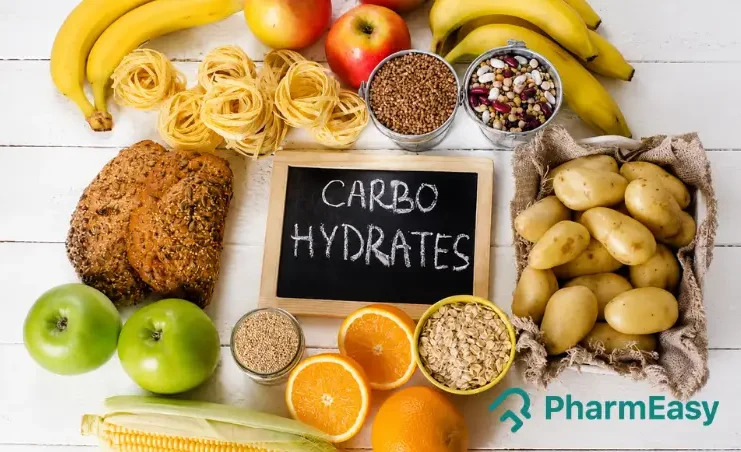
Research by Johns Hopkins researchers compared the effects of low-carbohydrate and low-fat diets over six months. Both plans contained the same number of calories, but participants following the low-carbohydrate diet lost an average of 28.9 pounds, compared with 18.7 pounds among those on the low-fat diet.
The low-carbohydrate plan also resulted in a greater proportion of fat loss. Weight reduction can involve the loss of lean tissue, including muscle, which is not desirable. Participants in both groups lost about 2 to 3 pounds of lean tissue along with fat, meaning the low-carbohydrate group recorded a higher percentage of fat loss.
2. Follow a sustainable eating plan
Choosing a healthy eating pattern that can be maintained over time is more useful than following a short-term diet, Stewart says. A low-carbohydrate approach may involve making better food choices without counting calories.
This pattern generally reduces foods that are high in carbohydrates and sugar but low in fibre, such as bread, bagels and soft drinks. It places greater emphasis on high-fibre or high-protein foods, including vegetables, beans and healthy meats.
3. Stay physically active
Regular physical activity can help reduce abdominal fat. Exercise lowers circulating insulin levels, which otherwise signal the body to retain fat. It also encourages the liver to use fatty acids, particularly those located near visceral fat deposits.
The amount of activity required for weight loss depends on individual goals. For many people, this may involve 30 to 60 minutes of moderate to vigorous exercise on most days.
4. Add strength training

Including even moderate strength training alongside aerobic exercise can help build lean muscle mass. More muscle can increase the number of calories burned throughout the day, both during physical activity and while the body is at rest.
5. Read food labels carefully
Comparing product labels and brands can reveal significant differences in nutritional content. Some yogurts, for example, may be marketed as low-fat but contain more carbohydrates and added sugar than other options.
Gravy, mayonnaise, sauces and salad dressings can also contain substantial amounts of fat and calories.
6. Limit processed foods
Packaged products and snack foods often contain trans fats, added sugar and added salt or sodium. These ingredients can make weight loss more difficult and may undermine efforts to improve eating habits.
7. Track how clothes fit, not only the weighing scale
As muscle is gained and fat is lost, body weight may remain relatively unchanged even when body composition improves. Looser-fitting trousers can therefore offer a useful indication of progress.
For a lower risk of heart disease and diabetes, the waistline should measure less than 35 inches for women and less than 40 inches for men.
8. Spend time with health-conscious people
Research indicates that people are more likely to eat well and exercise regularly when their friends and family follow similar habits. A supportive social environment can therefore help reinforce healthier choices.
Key terms
Insulin: A hormone produced by cells in the pancreas that helps the body store glucose, or sugar, from food. In people with diabetes, the pancreas may not produce enough insulin. Medicines may be prescribed to help the liver produce more insulin or make muscles more responsive to the insulin available. If those medicines are insufficient, insulin injections may be prescribed.
Blood vessels: Flexible tubes comprising arteries, capillaries and veins that transport blood throughout the body. Arteries carry oxygen and nutrients to small, thin-walled capillaries, which deliver them to cells and collect waste such as carbon dioxide. Veins then carry the blood back to the heart and lungs, where carbon dioxide is released through exhalation.
Arteries: Blood vessels that carry oxygen-rich blood away from the heart to the rest of the body. Their walls consist of a strong outer layer, a muscular middle layer and a smooth inner lining that supports the flow of blood. The muscular layer expands and contracts to help move blood.

 Follow us