Imagine receiving a test result that tells you your body is biologically five years older than your chronological age. You exercise regularly, get good sleep, eat healthy meals and have a happy personal life. What have you been doing wrong? Can this test be trusted?
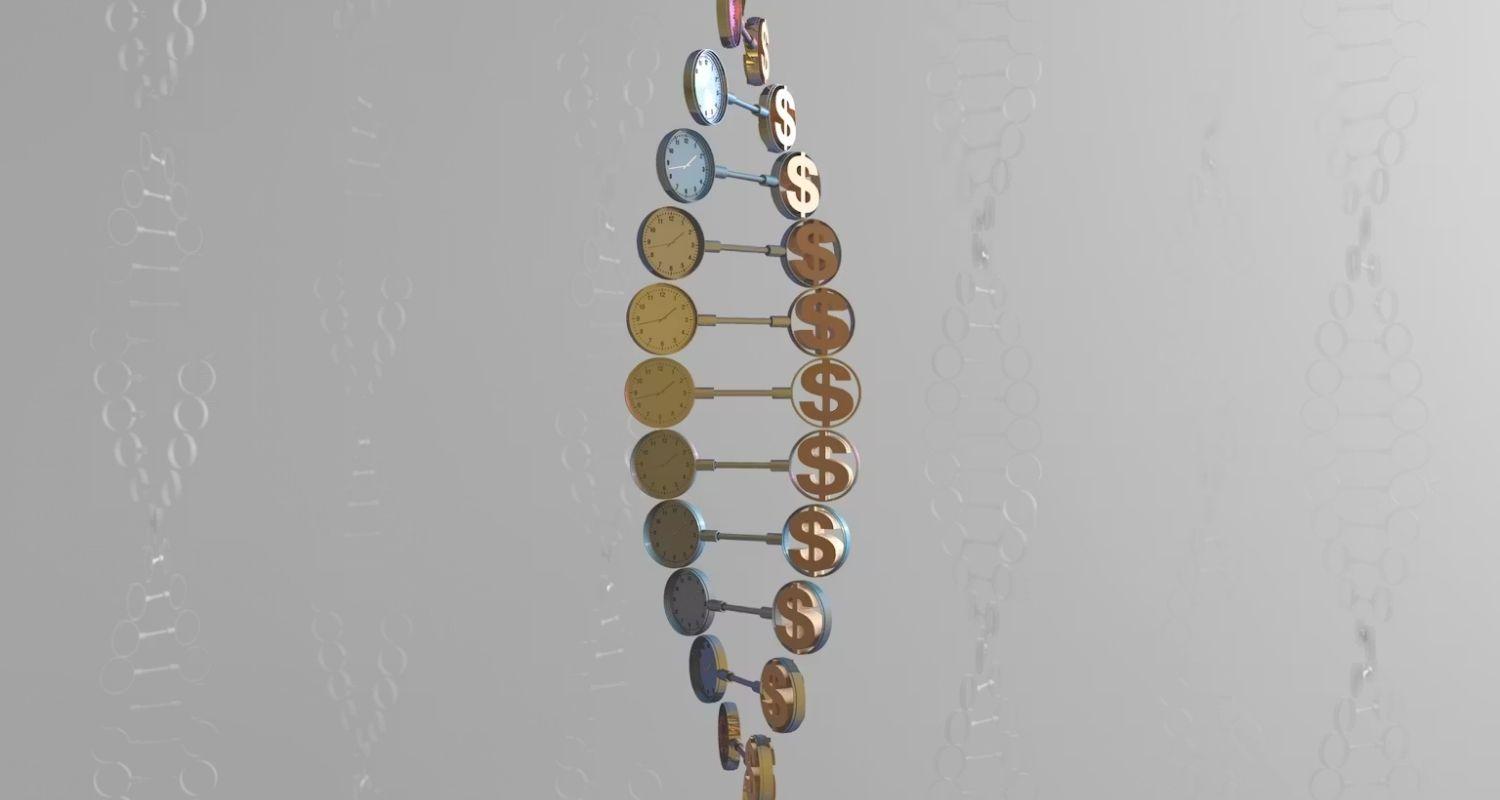
Dozens of companies are marketing products that promise to reveal a person’s “true” biological age – that is, how well your body is functioning – for a price ranging from around US$30 to over $1,000. These products are based on epigenetic ageing clocks, which are research tools that estimate age based on a person’s DNA. These clocks are reshaping how scientists study ageing and how the public thinks about it.
But while epigenetic clocks are highly effective research tools to study ageing at the population level, they aren’t designed to make claims about the health of individuals.
Researchers who use epigenetic clocks in their work have found them to be highly informative tools when studying large numbers of people. But these clocks can provide faulty results at the individual level, and they do not meet the standards required of common medical tests.
What are epigenetic clocks?
Measuring reversible chemical changes to DNA, known as epigenetic marks, can provide information about how your body is ageing.
Using DNA obtained from routine blood draws, researchers can measure millions of these epigenetic marks in an individual. Running statistical algorithms on this information can produce a single value that represents that person’s epigenetic age, analogous to chronological age.
Epigenetic clocks work because the chemical marks on DNA can shift over time and are influenced by lifestyle, stress and the environment. These changes capture aspects of ageing that chronological age alone may not reflect.
In this way, epigenetic clocks help scientists identify the experiences, exposures and behaviours that may accelerate or slow biological ageing.
Not for individual health decisions
Why can’t epigenetic clocks provide reliable results about biological age for individual people?
First, there are dozens of different types of epigenetic clocks, each designed for a specific purpose. Some are used to predict a person’s age, while others are used to predict how fast someone is ageing or how many years until they die. These different clocks do not always agree with one another, even when used on the same person.
Second, epigenetic changes are dynamic, making age predictions sensitive to short-term fluctuations in diet, environmental exposures, illness, time of day and other transient factors. As a result, estimated age could vary substantially depending on when someone is tested.
Third, constructing epigenetic clocks is technically challenging, and there is no established gold-standard method for generating clocks across laboratories. For example, testing epigenetic age in saliva versus blood samples can yield substantially different results for the same person. The technologies used to measure epigenetic marks have also evolved over time and will likely continue to improve. As these methods change, the original algorithms designed for specific measurement platforms may not perform the same way.
Also read: Human body a patchwork of evolutionary compromise
Fourth, scientists do not universally agree on what ageing means, in part because it is a very complex process. Reducing that complexity to a single number, such as an epigenetic age, can be misleading.
Finally, epigenetic clocks are influenced by a person’s history of trauma, discrimination and early life adversity. This makes their use at the individual level potentially problematic. On average, marginalised communities tend to show signs of accelerated ageing when assessed with epigenetic clocks. If insurance companies began using epigenetic age estimates to set premiums, many people could face higher costs for biological differences shaped by circumstances beyond their control, potentially deepening existing health disparities.
Studying how ageing unfolds over time
While epigenetic clocks are not appropriate tools for individual health decisions, this does not mean they lack value.
Researchers have used epigenetic clocks to discover lifestyle habits that can, on average, slow down ageing. Some examples include reducing daily calorie intake, exercising regularly, maintaining a healthy diet, getting enough sleep and avoiding smoking.
Epigenetic clocks can also help test new drug therapies aimed at slowing down specific ageing processes. For example, researchers have shown that rapamycin, a drug connected to various ageing processes, can reduce the epigenetic age of human skin cells. There is also some evidence that a treatment designed to regenerate the thymus may slow or even reverse epigenetic ageing after one year of treatment. However, researchers have seen these effects only when looking at groups rather than individuals.
Epigenetic clocks are helping scientists advance scientific research on the ageing processes, but they aren’t medical tests to measure individual health. In the future, epigenetic measurements may play a useful role in guiding personal health decisions. But for now, epigenetic clocks sold as biological age tests are best used and refined by researchers who are studying populations rather than individual people.
Via The Conversation

 Follow us